The human brain is far more adaptable than we once believed. Thanks to neuroplasticity, your brain can reorganize and rewire itself throughout life — forming new connections, strengthening existing ones, and even recovering lost functions after injury. This incredible ability explains how we learn, remember, and change our behaviours. Whether you’re mastering a new language, recovering from trauma, or building better habits, neuroplasticity is the driving force behind personal growth and mental transformation. For a deeper scientific foundation on how cognitive abilities develop, see our overview of what IQ is.
What Is Neuroplasticity?
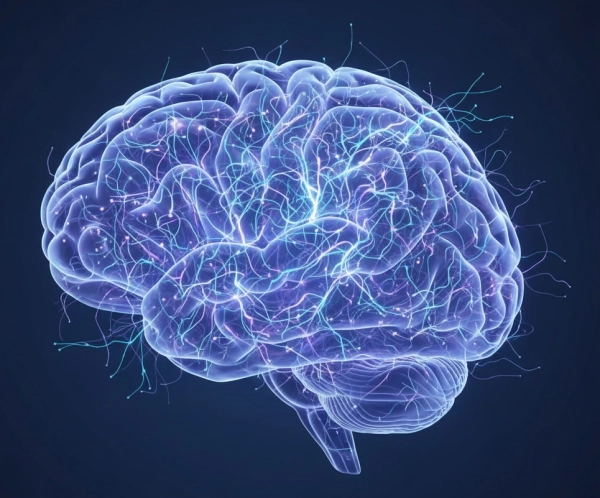
Neuroplasticity, also known as brain plasticity, refers to the brain’s remarkable ability to reorganize itself by forming new neural connections throughout life. It’s the reason humans can learn new skills, recover after brain injuries, and adapt to changing environments. In simple terms, neuroplasticity means your brain isn’t fixed — it’s dynamic, flexible, and constantly evolving. This adaptability allows your brain to strengthen or weaken neural pathways depending on how often you use them, and neuroscientist Dr. Michael Merzenich famously described it as “the brain’s ability to change itself.”
How Neuroplasticity Works
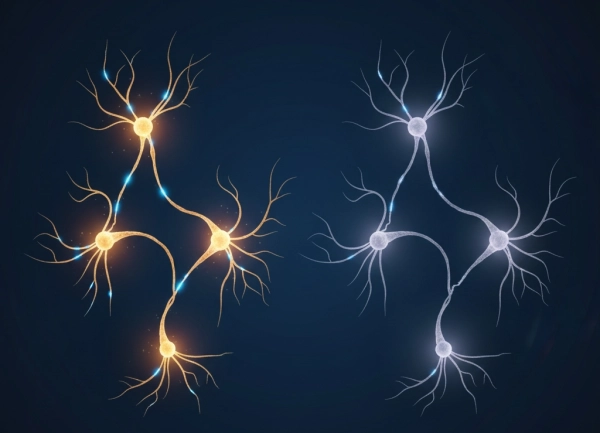
At its core, your brain consists of billions of neurons that communicate via electrical and chemical signals through synapses, forming vast networks that underpin every thought, memory, and skill. When you learn something new — whether it’s a language, a musical instrument, or a new habit — certain neurons fire together repeatedly. Over time, the connections between them become stronger and more efficient, a process called synaptic plasticity. Conversely, connections that are not used begin to weaken and eventually disappear. Neuroscientists often summarise this with the phrase:
“Neurons that fire together, wire together — neurons that don’t, fade away.”
In practical terms, your daily choices and repeated behaviours literally sculpt your brain’s structure. Learning an instrument increases grey matter density in regions responsible for fine motor skills and auditory processing. Meditation has been shown through MRI scans to thicken the prefrontal cortex, governing focus, decision-making, and emotional regulation. Bilingual individuals display enhanced connectivity in language-related regions, improving cognitive flexibility. And stroke rehabilitation demonstrates the brain’s ability to reassign lost functions to other regions. If you want to evaluate how effectively your cognitive abilities are functioning, you can explore a problem-solving aptitude test to understand your baseline.
Types of Neuroplasticity
1. Functional Plasticity
Functional plasticity refers to the brain’s ability to transfer functions from one region to another after injury or damage. For example, when a stroke affects motor control on one side of the body, intensive rehabilitation can train other brain areas to take over those lost functions. Research in neurorehabilitation has shown that repeated mental and physical exercises encourage neurons in undamaged areas to form new pathways, effectively compensating for lost neural circuits.
2. Structural Plasticity
Structural plasticity involves physical changes in the brain’s architecture as a result of learning, experience, or environmental stimulation — including the growth of new synaptic connections, increases in grey matter volume, and enhanced white matter integrity improving communication between brain areas. London taxi drivers who memorise thousands of streets show increased grey matter in the hippocampus, for example. Both types of plasticity are vital for lifelong learning, memory formation, and recovery, and they work together to help your brain stay adaptable at every stage of life. If you’re curious how neuroplastic changes affect intelligence measurements, explore the various verbal and nonverbal intelligence tests used in cognitive science.
Neuroplasticity Across the Lifespan
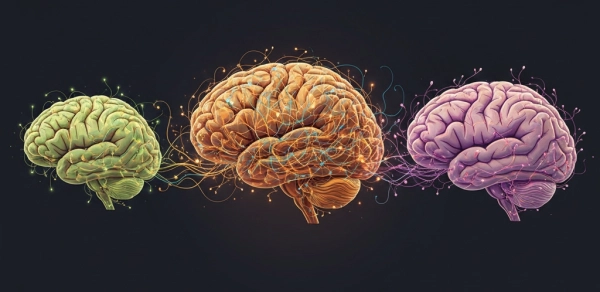
For decades, scientists believed the brain stopped growing after childhood. Modern neuroscience has completely overturned this idea — neuroplasticity continues throughout life, allowing people of all ages to learn, adapt, and recover.
1. In Childhood
During early development, neuroplasticity is at its peak. Children can learn multiple languages effortlessly because their brains are constantly wiring and rewiring linguistic pathways. Motor learning such as walking and hand-eye coordination, and emotional development shaped by social interactions, all depend heavily on neuroplastic growth.
2. In Adulthood
Adult brains remain highly adaptive, though changes occur more slowly. Neuroplasticity in adults enables learning new skills such as playing a musical instrument or coding, strengthening of memory and reasoning through deliberate practice, and cognitive flexibility in adapting to new environments or technologies. Adults can even reorganise brain networks to compensate for damage or loss — which is why consistent learning and physical activity can dramatically enhance mental performance even later in life.
3. In Aging
Aging does not mark the end of neuroplastic potential. Older adults who continue to challenge their brains — by learning new languages, reading complex materials, or engaging in social activities — exhibit higher levels of grey matter density and stronger neural connectivity than those who remain passive. A landmark 2017 study in Nature Neuroscience found that adults who learned complex new skills showed measurable changes in brain structure within just a few weeks.
Neuroplasticity doesn’t fade with age — it thrives with effort, novelty, and persistence.
Benefits of Neuroplasticity
1. Cognitive Benefits
Frequent engagement with new information strengthens synaptic connections, making it easier to absorb and recall knowledge. A more connected brain processes information faster and stores it more efficiently. By connecting previously unrelated neural networks, neuroplasticity also fuels innovative thinking and problem-solving.
2. Emotional Benefits
Positive thinking, gratitude practices, and mindfulness can rewire the brain’s default mode network, replacing negative loops with constructive thought patterns. People with flexible neural patterns recover from stress faster and maintain emotional balance, while strengthened pathways in the prefrontal cortex and limbic system enhance empathy, self-awareness, and emotional control.
3. Physical and Rehabilitation Benefits
Through targeted rehabilitation, undamaged brain regions can take over lost functions — a hallmark of functional neuroplasticity. Physical therapy and repetition help rebuild motor circuits, and individuals who lose one sense often experience heightened sensitivity in others as the brain reallocates neural resources. In essence, neuroplasticity is the foundation of human growth, healing, and transformation.
How to Strengthen Neuroplasticity
1. Learn Continuously
Study foreign languages, learn a musical instrument, or take up strategic games like chess. The greater the novelty and challenge, the stronger the neural rewiring. Lifelong learning doesn’t just make you smarter — it literally reshapes your brain’s architecture.
2. Engage in Physical Exercise
Aerobic exercise such as running, swimming, or brisk walking boosts blood flow and releases Brain-Derived Neurotrophic Factor (BDNF) — a vital protein that promotes neuron growth and enhances synaptic strength. Regular exercise also improves mood, memory, and learning by fostering both structural and functional plasticity.
3. Practise Mindfulness and Meditation
Meditation increases grey matter density in regions linked to attention, empathy, and emotional control. By training the brain to focus and observe thoughts non-judgementally, you gradually rewire negative patterns into positive emotional responses. Even 10 minutes a day can lead to measurable changes within weeks.
4. Prioritise Quality Sleep
During deep sleep, the brain consolidates memories, clears metabolic waste, and reinforces newly formed neural pathways. Aim for 7–9 hours per night, maintain a consistent bedtime routine, and limit blue light exposure before sleep. Good sleep is not a luxury — it’s the foundation of cognitive renewal.
5. Challenge Routine Thinking
Routine dulls the brain, while novelty sparks growth. Take a different route to work, use your non-dominant hand for daily tasks, or try a hobby you’ve never done before. Each novel experience triggers new synapses and boosts mental agility.
6. Build Positive Thought Patterns
Repeated positive thinking can rewire neural circuits to promote optimism and emotional balance — a process known as self-directed neuroplasticity. Affirmations, gratitude journaling, and reframing negative situations all train your mind toward resilience and growth.
Neuroplasticity and Mental Health
The connection between neuroplasticity and mental health is one of the most profound discoveries in modern neuroscience. Research now reveals that through neuroplasticity, the brain can rewire itself toward healing and emotional balance. Approaches like Cognitive Behavioural Therapy (CBT), Acceptance and Commitment Therapy (ACT), and mindfulness-based interventions work by consciously reshaping neural circuits. In CBT, patients identify distorted thoughts, challenge them, and replace them with more balanced beliefs — physically altering neural connections over time. Mindfulness meditation enhances activity in the prefrontal cortex and reduces overactivity in the amygdala linked to fear and stress. A 2020 review in Frontiers in Psychology confirmed that targeted cognitive and behavioural exercises can significantly change brain activity, leading to measurable improvements in emotional stability and behaviour.
The Future of Neuroplasticity Research
Emerging technologies are rapidly expanding what’s possible. Neurofeedback uses real-time brainwave monitoring to help individuals regulate brain activity, treating ADHD, anxiety, and insomnia. Virtual Reality (VR) therapy simulates controlled situations to help the brain rewire responses to fear or trauma, with promising results in PTSD and stroke rehabilitation. Transcranial Magnetic Stimulation (TMS) uses magnetic fields to stimulate specific brain regions and has shown remarkable success in treating drug-resistant depression. Brain-Computer Interfaces (BCIs) allow direct communication between the brain and external devices, opening possibilities for restoring mobility in paralysed patients. Looking further ahead, AI-driven personalised brain training programs could help individuals learn new skills faster, recover from neurological conditions more efficiently, and maintain sharper cognition throughout ageing.
Final Thoughts: Your Brain Is Always Changing
At its core, neuroplasticity reveals one of the most empowering truths in human biology: your brain is never static. Every time you choose to learn something new, reflect mindfully, or replace a negative habit with a positive one, you are reshaping the architecture of your mind. When you challenge yourself intellectually, new synapses form. When you practise gratitude or compassion, emotional pathways strengthen. When you exercise or meditate, your brain rejuvenates and grows. Intelligence, creativity, and resilience are not fixed traits — they are skills you can cultivate through conscious effort.
As author and psychiatrist Dr. Norman Doidge, who popularised the concept of neuroplasticity, famously said:
“The brain is like a living sculpture — experience is the artist.”
By embracing lifelong learning, staying curious, nurturing emotional intelligence, and engaging both mind and body, you can continually retrain your brain for growth, focus, and happiness. Your neural story isn’t written in stone — it’s written in action. Explore more evidence-based articles in our IQ Guides collection.
References
- Draganski, B., et al. (2004) – Changes in gray matter induced by training. Nature.

Comments
Share Your Thoughts