IQ Testing for Kids: What Parents Should Know
Learn what IQ testing for kids really measures, how results should be interpreted, and how parents can use test insights to support learning without pressure.
Every child's mind develops differently — and understanding that development is one of the most powerful things a parent can do. Whether you're wondering if your child might be gifted, concerned about a lower IQ score, or simply looking for ways to support their cognitive growth, this section provides clear, research-backed guidance written specifically for parents.
Our articles cover a wide range of topics: from what IQ testing for kids really measures and how accurate it is, to practical brain games that strengthen memory and problem-solving, to how to support gifted children after testing without creating pressure. We also explore the difference between IQ and EQ in childhood — because emotional intelligence matters just as much as cognitive ability for long-term success.
Browse the articles below to find what's most relevant to your child. You can also let your child try our IQ Test for Kids — a 100% image-based, reading-free assessment designed for ages 5 to 12.
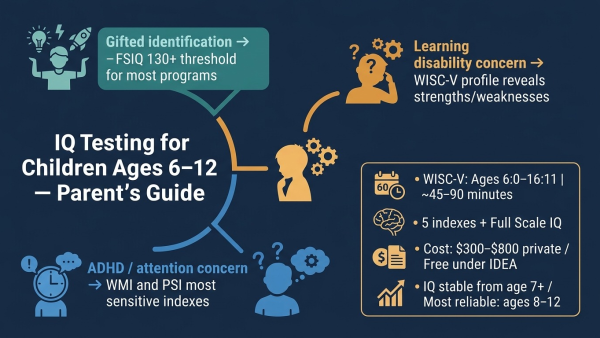
Learn what IQ testing for kids really measures, how results should be interpreted, and how parents can use test insights to support learning without pressure.
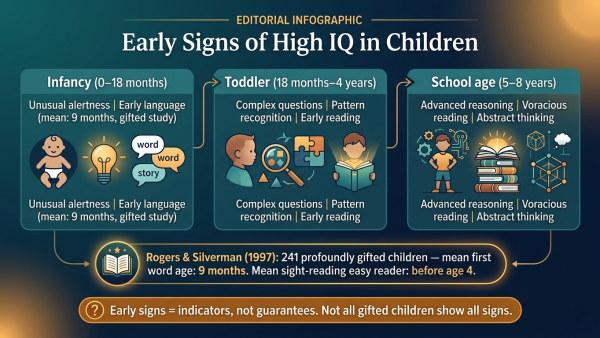
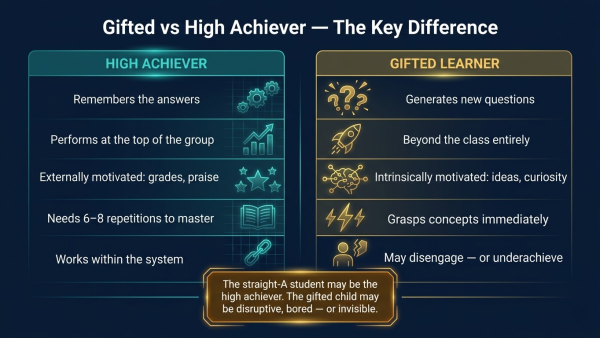
Learn common signs that may indicate a child has high intellectual potential, from curiosity and creativity to learning style, and how parents can offer support.
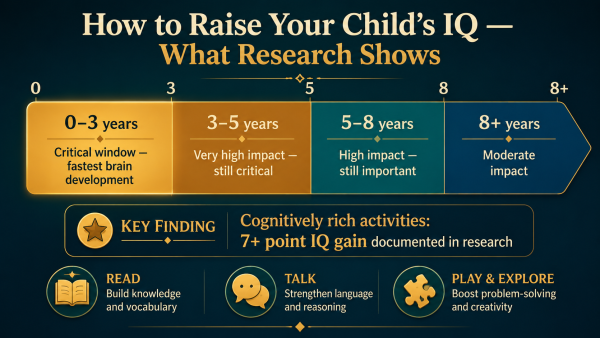
Discover how a child’s IQ can develop over time. Learn which skills can be strengthened, the role of training, and how parents can support cognitive growth safely.
Learn practical, supportive ways parents can help a child with below-average IQ build confidence, develop skills, and thrive academically and emotionally.
Should parents worry about their child’s IQ score? Learn what IQ results really mean, common misconceptions, and how to support healthy learning and development.
Learn how accurate IQ tests are for children, what they measure, their limitations, and how parents should interpret results responsibly and safely.
Can you increase a child’s IQ? Neuroscience says yes—through targeted brain stimulation, enriched environments, and habit-building that strengthens neuroplasticity.
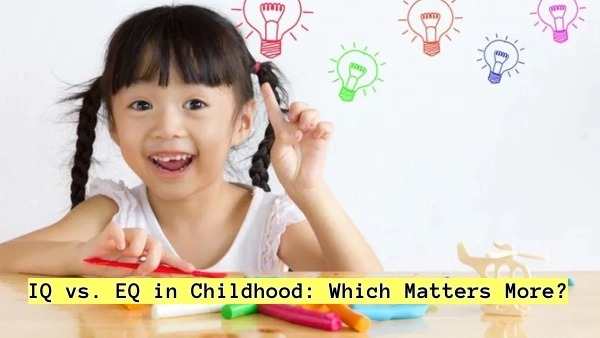
Discover the key differences between IQ and EQ in child development. Which is more important for success, and how can parents nurture both effectively?
Discover fun, science-backed brain games that help boost IQ in children. Improve memory, logic, attention, and problem-solving—while your kids play and learn!
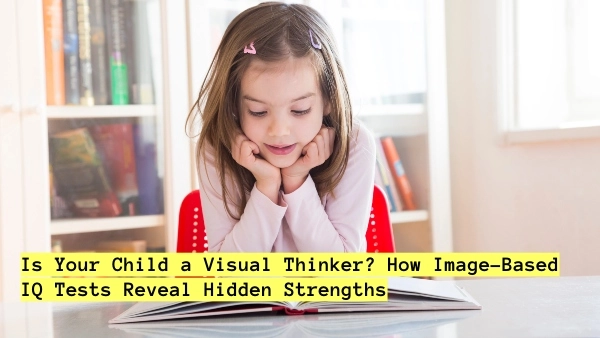
Is your child more visual than verbal? Discover how image-based IQ tests help identify visual thinkers and unlock their hidden talents.
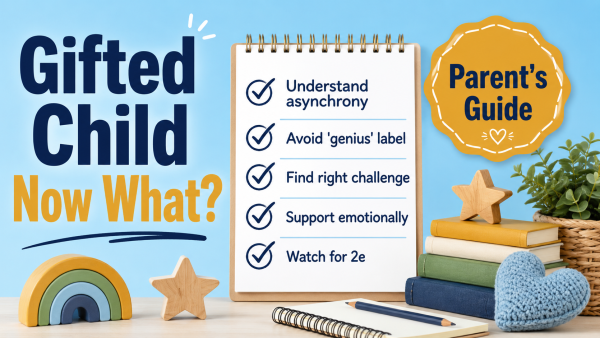
Your child scored high on an IQ test—what now? Learn how to support gifted kids emotionally, academically, and socially for long-term success and well-being.
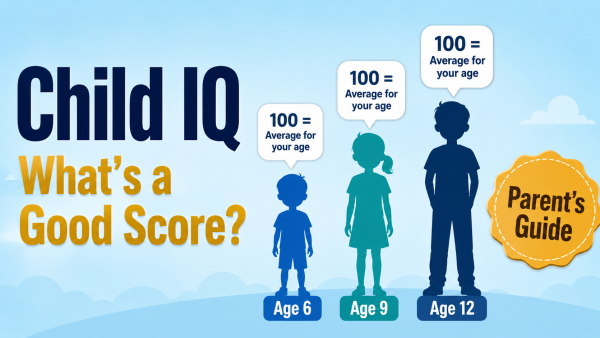
Curious if your child's IQ score is above average? Learn what a good IQ score is by age, what it means, and how it reflects your child’s intellectual development.
Supporting your child's cognitive development is just the beginning. Explore these related resources: