About the Recruitment IQ Test
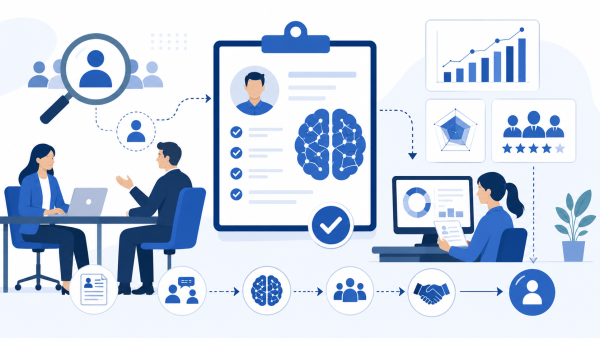
The Recruitment IQ Test is a standardized assessment used by professionals, HR teams, and hiring managers to evaluate candidates’ general intelligence and job-relevant cognitive skills. Unlike traditional IQ tests focused solely on abstract reasoning, this test combines multiple formats to simulate real-world problem-solving and decision-making.
Test Features:
- Number of Questions: 32
- Time Limit: 38 minutes
- Question Format: Mixed logic, visual, numerical, and knowledge-based questions
- Target Users: Job seekers, professionals, students preparing for competitive roles
This combination ensures a comprehensive evaluation of cognitive aptitude, making it one of the most practical online IQ tests for recruitment.
What This Test Measures
The Recruitment IQ Test is carefully designed to evaluate a comprehensive range of cognitive abilities that are critical in modern workplace environments. This test goes beyond simple IQ measurement, assessing the skills that recruiters and employers value most for professional success.
1. Logical Reasoning
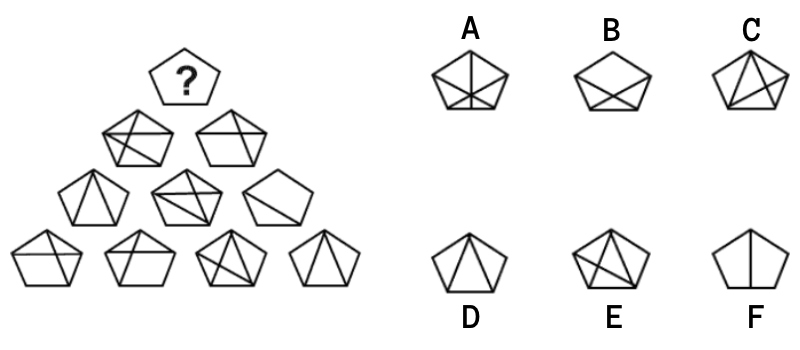
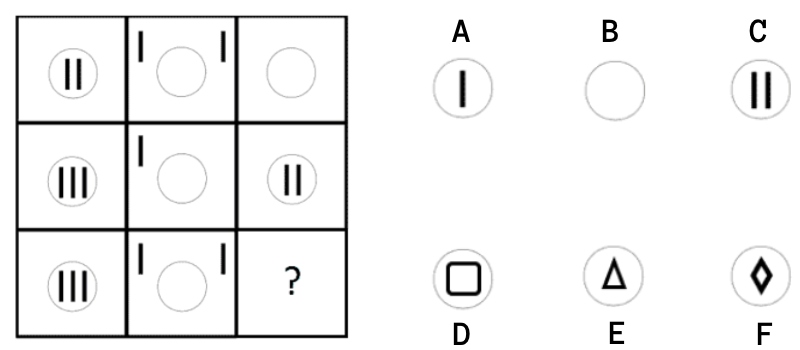
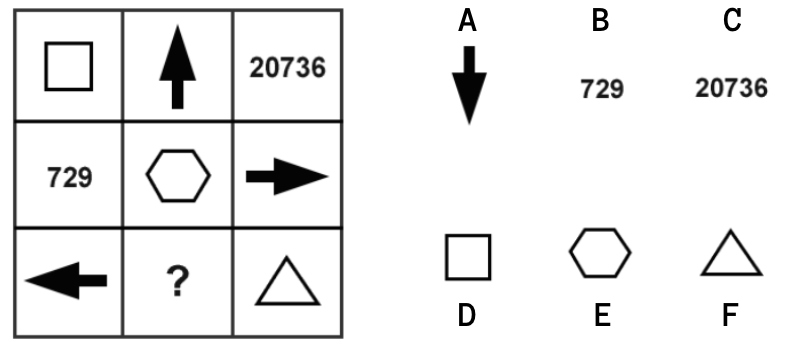
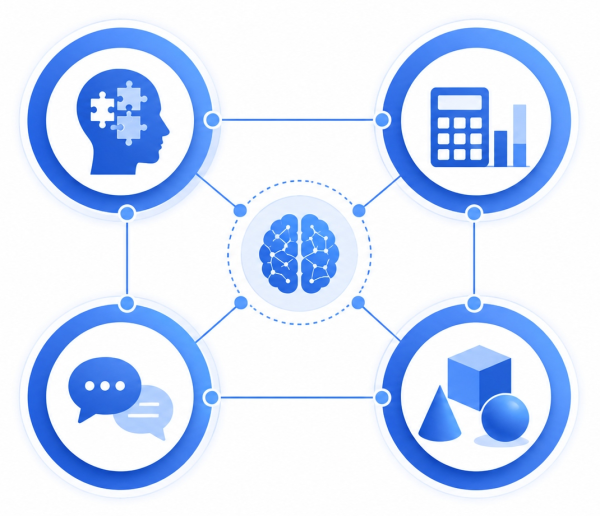
Logical reasoning evaluates your ability to identify patterns, sequences, and relationships between abstract concepts. This skill is crucial for problem-solving, strategic planning, and decision-making in real-world scenarios. Strong logical reasoning indicates you can approach complex tasks systematically, make informed decisions, and anticipate outcomes effectively.
2. Numerical Ability
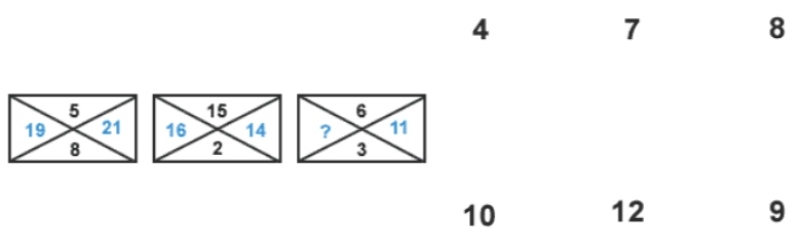
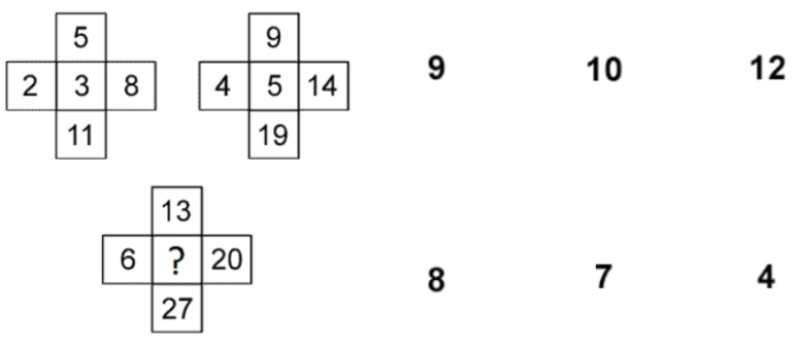
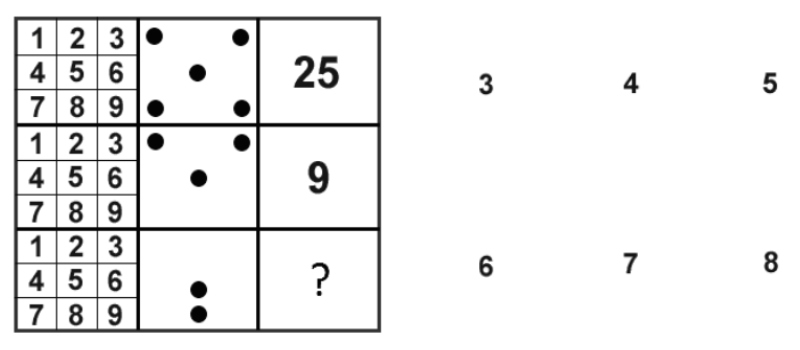
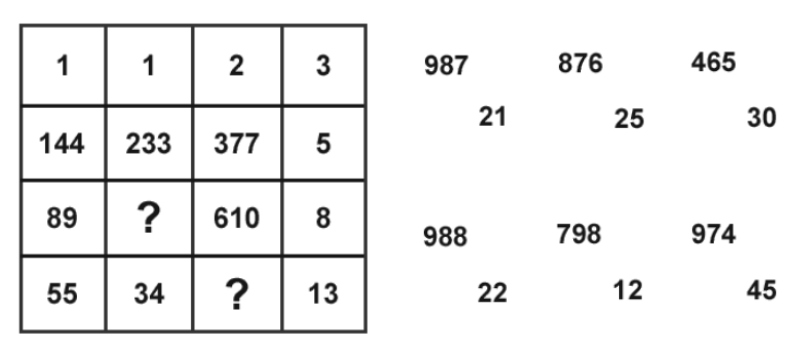
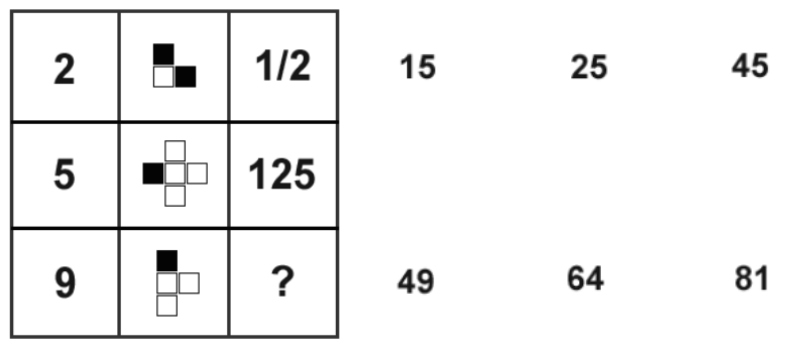
Numerical reasoning measures your proficiency with numbers, calculations, and quantitative problem-solving. Roles in finance, analytics, engineering, and data-driven fields often require strong numerical skills. By testing your ability to interpret data, perform mental calculations, and identify numeric patterns, this component ensures you can handle workplace challenges that involve numbers with confidence.
3. Verbal & Knowledge-Based Skills
Verbal and general knowledge skills evaluate your comprehension, vocabulary, and ability to apply information effectively in practical situations. This section measures how quickly you can understand written content, communicate clearly, and reason with information. Effective verbal reasoning is essential for teamwork, client communication, and career advancement across nearly every professional domain.
4. Visual & Spatial Reasoning
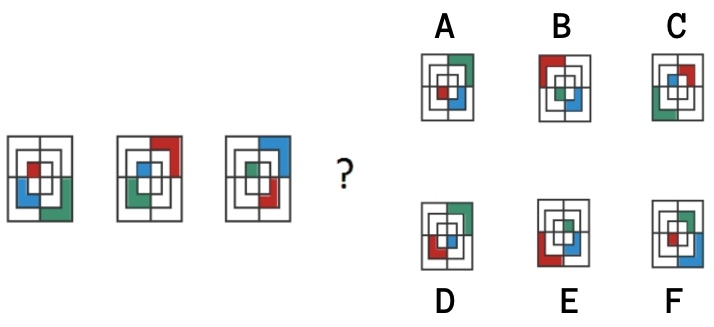
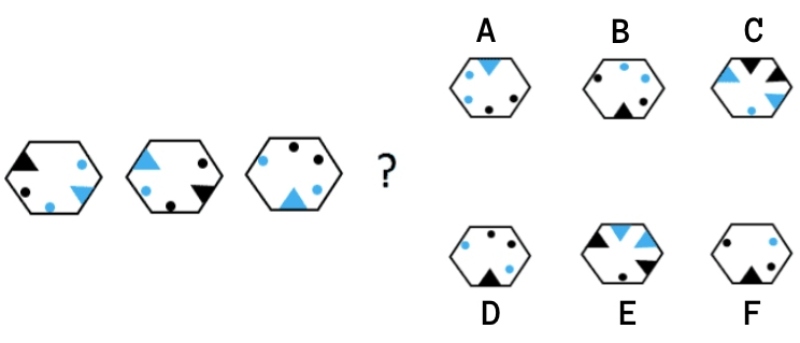
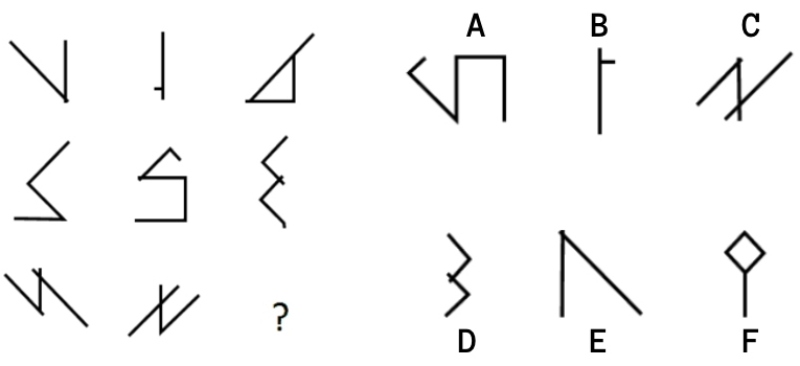
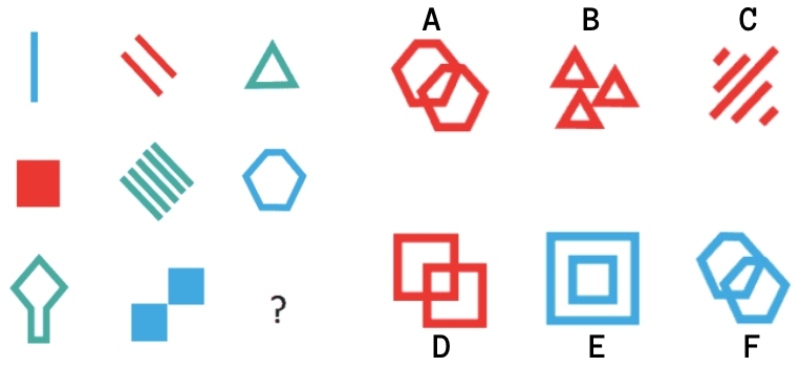
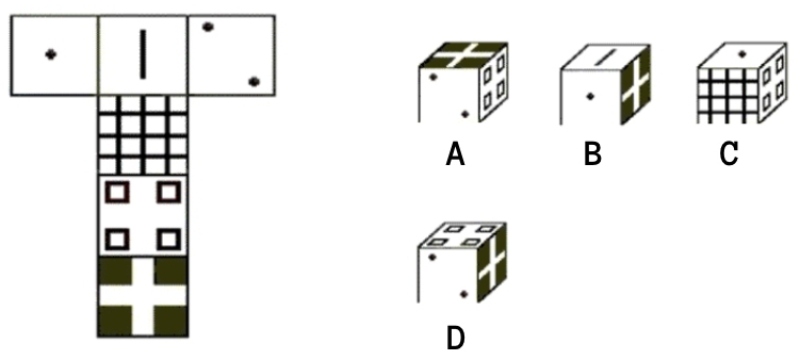
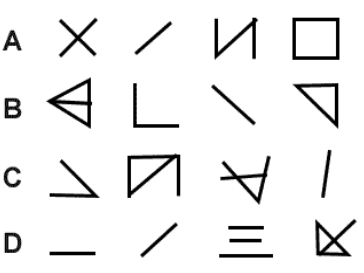
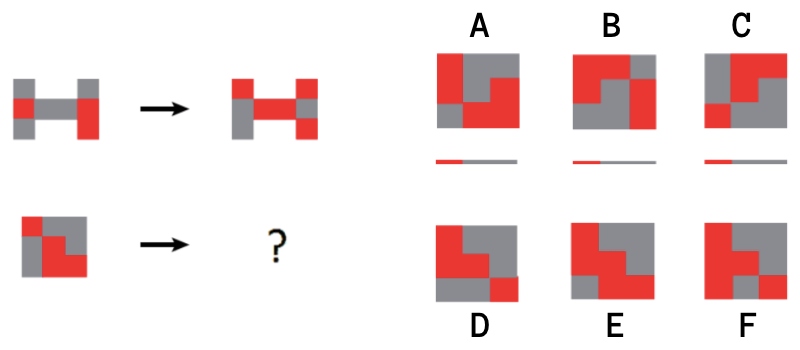
Visual and spatial reasoning tests your ability to interpret charts, diagrams, and spatial patterns. This skill is particularly relevant in design, architecture, engineering, and technical problem-solving roles. Strong spatial reasoning indicates that you can mentally manipulate objects, analyze visual information, and solve problems creatively and efficiently.
By combining multiple formats—logical, numerical, verbal, and visual—the Recruitment IQ Test ensures a well-rounded assessment of your cognitive potential, providing insights into both strengths and areas for improvement.
Who Should Take This Test
This test is ideal for a wide range of individuals and professionals:
- Job seekers preparing for interviews or competitive positions: Gain insight into your problem-solving, analytical, and reasoning skills—critical traits employers evaluate.
- Professionals assessing strengths for career development: Identify cognitive abilities that support promotion readiness or skill enhancement.
- Students and graduates applying for internships or high-performance programs: Benchmark your abilities against peers and prepare for challenging selection processes.
- HR teams and recruiters: Use a standardized, reliable tool to compare candidates objectively, helping make informed hiring decisions.
By taking this test, candidates receive actionable feedback on problem-solving, reasoning speed, analytical thinking, and decision-making capabilities—the very skills that recruiters prioritize during selection. To understand how your result fits the global picture, see how your IQ score is classified across all ranges.

Scoring & Reliability
Your Recruitment IQ Test score is derived using a structured and standardized methodology:
- Correctness of answers across all 32 questions
- Difficulty weighting: harder questions carry more weight in the final score
- Time management within the 38-minute limit to simulate real-world decision-making pressure
Your report includes:
- Overall Recruitment IQ score
- Skill-based breakdown: logical reasoning, numerical ability, verbal knowledge, and visual/spatial reasoning
- Strengths and areas for improvement
- Benchmark comparison against global averages and professional standards
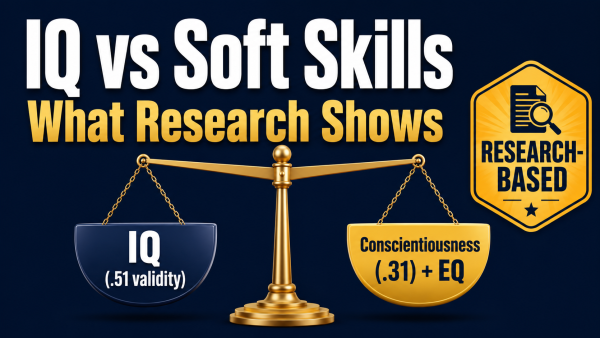
This structured scoring system aligns with methodologies used in professional recruitment IQ tests and ensures a reliable, valid, and actionable assessment of your cognitive aptitude. For more details, see our article on types of IQ tests used in employment screening. You can also explore the relationship between IQ vs EQ in the workplace to get a fuller picture of what employers look for.
Why This Test Is Trusted
The Recruitment IQ Test is designed with rigor and professionalism, making it one of the most trusted online assessments for both candidates and employers:
- Professional and reliable – grounded in psychometric research and validated reasoning frameworks
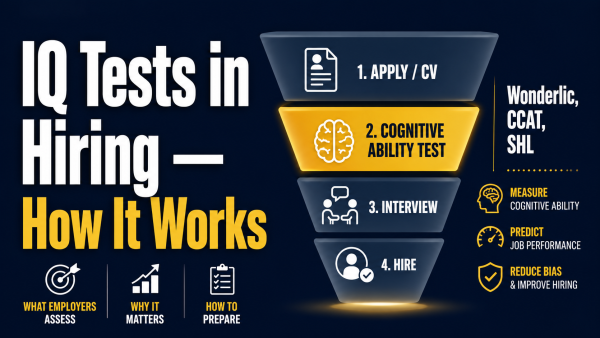
- Job-focused – measures skills directly relevant to workplace performance and hiring success
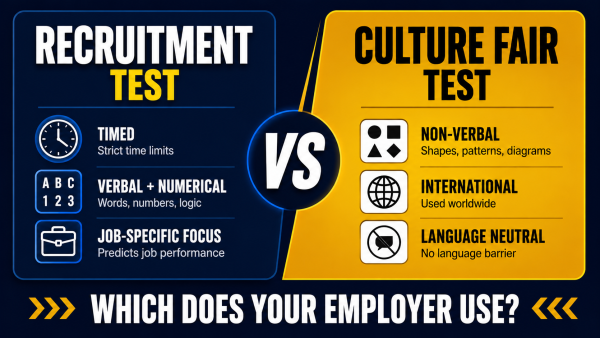
- Fair and unbiased – includes nonverbal and knowledge-based questions to reduce cultural, linguistic, and educational bias
- Actionable insights – helps candidates improve performance, prepare for interviews, and target skill development
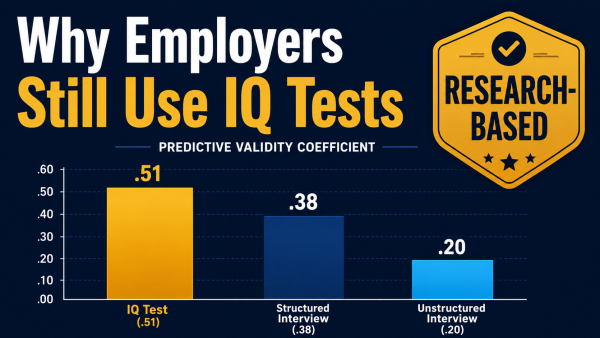
Learn why recruiters consistently rely on IQ tests for hiring in our guide on how recruiters use IQ tests in the hiring process, and why IQ testing continues to add value alongside other hiring criteria.
How to Prepare
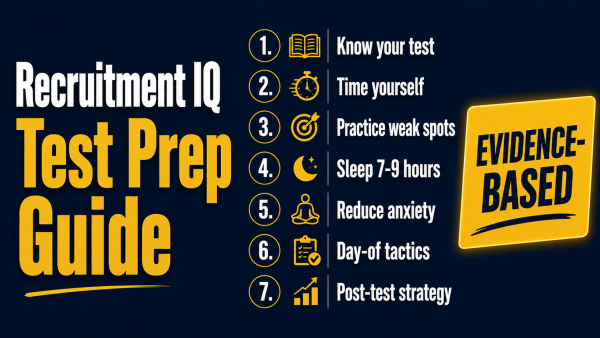
To maximize the accuracy of your results:
- Choose a quiet, distraction-free environment to maintain focus.
- Attempt the test in a single sitting to reflect your true cognitive ability.
- Respond instinctively rather than overthinking each question.
- Rely on your reasoning skills without external aids, calculators, or reference materials.
Following these guidelines ensures the test provides a valid measure of your natural problem-solving, analytical, and cognitive skills, giving you actionable insights for career growth. For a more detailed preparation strategy, read our guide on how to prepare for an IQ test.

Explore More Cognitive Assessments
Enhance your understanding of your mind and skills: