Understanding the signs of a low IQ isn’t about labelling intelligence — it’s about recognising cognitive patterns that may affect learning, communication, and problem-solving. People with lower IQ scores often face challenges in abstract thinking, memory, and adaptability, but that doesn’t define their potential. Thanks to the brain’s natural ability to rewire itself through neuroplasticity, anyone can strengthen mental performance. This article explores key characteristics of low IQ, how they manifest in daily life, and practical ways to improve cognitive skills for a sharper, more adaptive mind.
What Does “Low IQ” Really Mean?
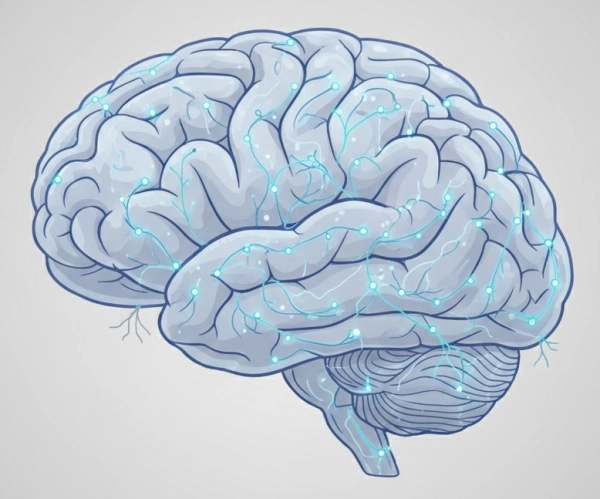
IQ, or Intelligence Quotient, measures a person’s cognitive ability — how well they reason, learn, and solve problems compared to others. A low IQ score, typically below 85 on a standard IQ test, doesn’t mean a person lacks worth or potential. Rather, it may indicate more challenges with reasoning, memory, or abstract thinking. However, IQ alone doesn’t define intelligence — emotional intelligence, creativity, and practical problem-solving also play crucial roles in real-world success.
1. Difficulty Understanding Abstract Concepts
One of the most common signs of low IQ is struggling with abstract thinking — concepts that can’t be directly observed or experienced. This may appear as trouble understanding metaphors or sarcasm, difficulty following philosophical discussions, or struggling to apply general principles to new situations. People with strong abstract reasoning can see patterns and connections, while those with lower IQs may focus only on literal or surface-level meanings.
2. Poor Problem-Solving and Critical Thinking Skills
Individuals with lower IQ scores often find it harder to analyse information and draw logical conclusions. You might notice difficulty troubleshooting simple issues, struggles with strategic games or planning ahead, or making decisions without weighing pros and cons. Critical thinking requires working memory and reasoning — both key components measured in IQ tests.
3. Limited Vocabulary and Verbal Expression
Language ability is a strong reflection of cognitive function. Those with lower IQs may use simpler vocabulary and repetitive phrases, struggle to explain ideas clearly, or have difficulty following complex instructions or conversations. It’s not about intelligence in a moral sense — it’s about how efficiently the brain processes and organises language-based information.
4. Difficulty Learning New Skills
People with low IQ often learn new tasks more slowly and may need more repetition or hands-on practice, including taking longer to grasp new technologies or procedures, forgetting recently learned information, or needing constant reminders or supervision. This doesn’t mean they can’t learn — only that their brain may process information at a different pace.
5. Poor Memory and Concentration
Memory and focus are deeply connected to IQ. Low IQ individuals may experience short attention spans, forgetfulness even for simple tasks, and difficulty recalling names, dates, or instructions. A weak working memory can make multitasking or handling complex information especially challenging.

6. Emotional Impulsiveness and Poor Judgement
Low IQ doesn’t directly cause emotional instability, but it can affect decision-making. People may act impulsively without considering outcomes, struggle to manage frustration or anger, or misinterpret social cues or intentions — leading to misunderstandings or conflicts in workplace or social environments.
7. Difficulty Adapting to Change
Those with lower IQs often prefer routine and familiarity. When faced with change — new environments, technology, or expectations — they may resist or feel overwhelmed. Adaptability, a form of cognitive flexibility, is essential for success in modern life. People with higher IQs tend to adjust more easily because they can analyse and predict outcomes faster.
8. Trouble with Academic or Workplace Tasks
Signs often appear in school or work performance, such as struggling with reading comprehension or math reasoning, difficulty organising work or meeting deadlines, or requiring more guidance or simplified tasks. It’s crucial to distinguish between low IQ and learning disabilities like dyslexia or ADHD — which may affect performance despite normal or high intelligence.
9. Social Communication Challenges
A person with a lower IQ might find it harder to follow conversations, recognise sarcasm, or understand nonverbal cues. This can make relationships more complicated and sometimes lead to social withdrawal.
10. Lack of Curiosity or Desire for Learning
Curiosity fuels cognitive growth. People with lower IQs may show less interest in exploring new ideas, reading, or engaging in mentally stimulating activities. Over time, this can reinforce cognitive stagnation.
Can You Improve a Low IQ?
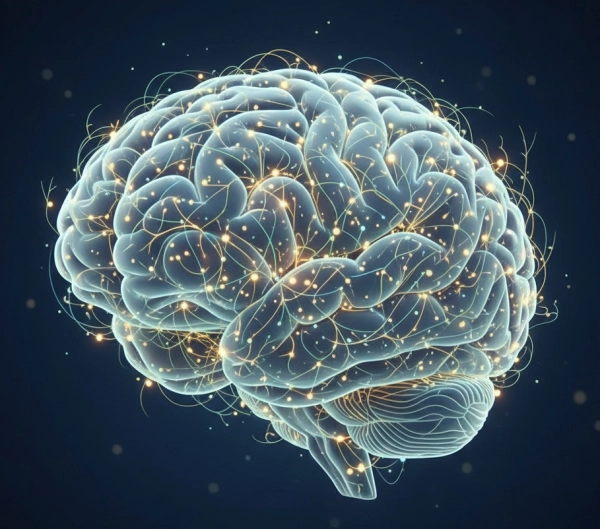
Absolutely — while IQ has a genetic foundation, modern neuroscience shows that intelligence is not fixed. Thanks to neuroplasticity, the brain’s remarkable ability to form new neural connections, it’s entirely possible to enhance your cognitive capacity over time. People who engage in consistent mental, emotional, and physical training often show measurable improvements in focus, reasoning, and problem-solving.
Science-backed strategies to boost mental performance include reading and learning consistently (exposing yourself to new information, ideas, and perspectives expands vocabulary, comprehension, and analytical thinking), playing brain-training games such as puzzles and strategy games to strengthen memory and cognitive flexibility, practising meditation and mindfulness to improve focus and emotional regulation, exercising regularly to increase BDNF which promotes neuron growth, prioritising sleep and nutrition for memory consolidation and mental clarity, and keeping a learning journal to reinforce neural pathways and retain complex information more effectively.
While you may not double your IQ overnight, you can significantly enhance your mental efficiency, critical reasoning, and ability to adapt — the very traits that define practical intelligence.
Final Thoughts: Intelligence Is More Than a Number
Recognising the signs of low IQ isn’t about judgement — it’s about awareness. Understanding where your cognitive challenges lie allows you to strategically strengthen your brain and unlock hidden potential. A test score cannot capture your creativity, emotional depth, or determination. History is filled with individuals who achieved greatness through perseverance, curiosity, and self-discipline — not just innate intellect.
As psychologist Carol Dweck said, “Becoming is better than being.” Intelligence is not a static trait but a living process — one that evolves with effort, experience, and mindset. By embracing continuous learning, healthy habits, and cognitive training, anyone can grow smarter, sharper, and more capable — no matter where they start. Explore more in our IQ Guides collection.

Comments
Share Your Thoughts