In a world that’s constantly changing, the ability to adapt your thinking is more valuable than ever. This skill — known as cognitive flexibility — allows you to switch perspectives, embrace new ideas, and respond effectively to unexpected challenges. It’s what helps you stay calm when plans shift, learn faster in complex environments, and think creatively when faced with problems. For a deeper understanding of how cognitive skills shape modern intelligence, you can explore our complete intelligence guide.
What Is Cognitive Flexibility?
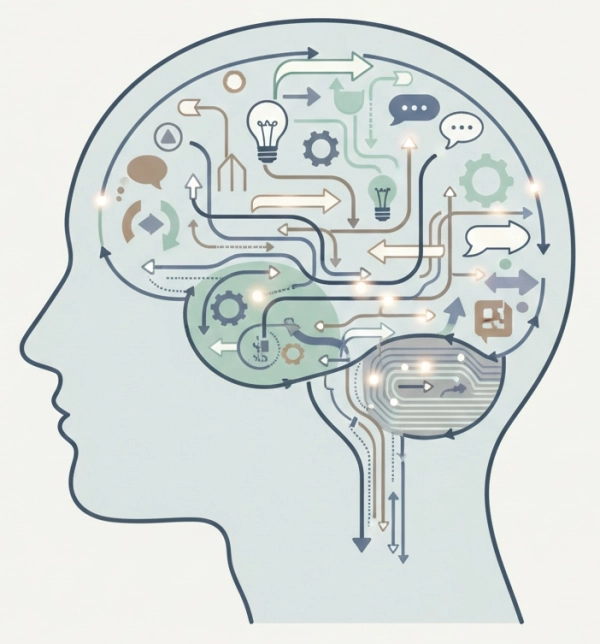
Cognitive flexibility refers to your brain’s ability to switch between different thoughts, adapt to new situations, and view problems from multiple perspectives. It’s closely tied to the broader set of executive functions explored in our cognitive skills framework. In simple terms, cognitive flexibility means being mentally agile — adjusting when plans change, considering alternative viewpoints, and creatively solving problems in unfamiliar contexts. Modern psychologists describe it as “thinking about thinking”: the ability to step outside a fixed mindset and update your beliefs or strategies based on new information.
Why Cognitive Flexibility Matters
Cognitive flexibility impacts nearly every aspect of life — from how you handle stress to how you perform at work. People with higher cognitive flexibility tend to be better problem-solvers (analysing situations from multiple angles), more creative (generating innovative ideas rather than relying on routine solutions), more emotionally resilient (recovering faster from setbacks by reframing challenges), and better communicators (adapting their style to different audiences). In contrast, low cognitive flexibility often leads to rigid thinking, difficulty coping with change, and increased anxiety — traits commonly linked to conditions like autism spectrum disorder (ASD) or obsessive-compulsive disorder (OCD).
The Science Behind Cognitive Flexibility
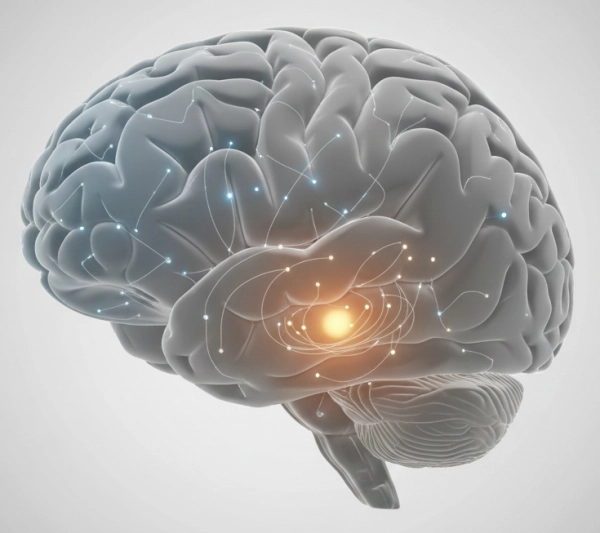
Cognitive flexibility primarily involves two brain regions: the prefrontal cortex (responsible for planning, decision-making, and controlling attention) and the anterior cingulate cortex (ACC), which monitors conflicts and helps switch between tasks efficiently. Neuroscientists describe this as part of the executive control network, which helps you inhibit old habits, activate new ones, and balance multiple streams of thought. Research using fMRI scans shows that when people engage in tasks requiring mental shifting — such as switching between categorising shapes and colours — these brain areas become highly active.
1. Neurotransmitters and Plasticity
Dopamine and serotonin play key roles in regulating flexibility. The brain’s neuroplasticity — its ability to rewire itself — underpins this skill. Every time you learn something new, challenge assumptions, or practise mindfulness, you strengthen neural pathways associated with cognitive flexibility.
2. Examples of Cognitive Flexibility in Daily Life
Cognitive flexibility is something you use every single day, often without realising it. At work, you adapt to a sudden change in project direction, switch to a new software tool, or adjust your communication style to fit a different audience. In relationships, you practise empathy — understanding someone’s perspective even when you disagree. In learning, you apply a concept from one subject to another, such as using mathematical logic in coding or psychology insights in marketing. In decision-making, you stay calm when plans fall apart and find creative alternatives. Even small everyday moments — like realising you were wrong about someone and updating your opinion — are signs of mental flexibility.
How Cognitive Flexibility Affects Learning and Creativity
Cognitive flexibility is closely tied to intelligence, creativity, and emotional adaptability. Research shows that individuals with high cognitive flexibility tend to learn faster, solve problems more effectively, and generate more original ideas. When your brain can shift smoothly between different modes of thinking — analytical, emotional, or imaginative — you’re better able to connect unrelated ideas and see patterns others might miss. This is why flexible thinkers are often great innovators, artists, and leaders. In educational settings, students with strong cognitive flexibility embrace feedback as a tool for growth, experiment with new strategies when old ones fail, and handle uncertainty without stress. As psychologist Jean Piaget famously said, “Intelligence is what we use when we don’t know what to do.” That’s precisely what cognitive flexibility represents — the ability to stay resourceful and resilient even when there’s no clear path forward.
Benefits of Cognitive Flexibility
Developing cognitive flexibility brings powerful advantages that extend far beyond intelligence — it influences how you think, feel, and interact with others. Researchers describe it as one of the most important predictors of emotional intelligence, creativity, and long-term success.
1. Cognitive Benefits
Cognitive flexibility enhances multiple aspects of executive function. People with higher flexibility tend to process information faster (switching between tasks without losing focus), improve working memory (holding and manipulating multiple ideas at once), solve problems creatively by connecting unrelated concepts, and make better decisions under pressure by evaluating multiple perspectives.
2. Emotional Benefits
Cognitive flexibility is also about how you manage emotions and stress. Those with flexible thinking patterns regulate emotions effectively (avoiding impulsive reactions), experience less stress and anxiety when facing change, recover from failures faster by turning obstacles into learning opportunities, and develop empathy by understanding and accepting different viewpoints.
3. Social and Professional Benefits
In both personal and professional life, mental flexibility fosters stronger relationships and higher performance. It enhances teamwork (flexible thinkers can compromise and adapt to group dynamics), improves leadership skills (managing diverse teams and unpredictable challenges), supports career adaptability (pivoting to new roles or industries more smoothly), and strengthens communication and conflict resolution through active listening and perspective-taking. In essence, cognitive flexibility empowers you to stay calm under pressure, think critically, and connect more deeply with others.
How to Improve Cognitive Flexibility
Like a muscle, cognitive flexibility grows stronger when challenged regularly. Neuroscientists have identified several evidence-based ways to enhance it.
1. Learn New Skills
Learning something completely new — such as a foreign language, a musical instrument, or computer coding — challenges your brain to form new neural pathways. Each time you step outside your comfort zone, you strengthen neuroplasticity — the biological foundation of flexible thinking.
2. Practise Mindfulness and Meditation
Mindfulness helps you observe your thoughts without judgement, creating room for intentional, adaptive responses instead of automatic reactions. Studies in Nature Reviews Neuroscience show that consistent meditation increases grey matter in brain regions tied to attention, awareness, and emotional control — all crucial for flexibility.
3. Change Your Routine
Even small changes — taking a different route to work, using your non-dominant hand, or trying a new cuisine — disrupt habitual thinking patterns. These “micro challenges” teach your brain to adapt quickly to unfamiliar situations, enhancing mental agility.
4. Engage in Physical Exercise
Aerobic activities like walking, running, or cycling improve blood flow and oxygenation in the brain. Research from Harvard Medical School shows that regular exercise stimulates the hippocampus and prefrontal cortex — regions critical for learning and adaptability.
5. Embrace Cognitive Challenges
Games and puzzles like Sudoku, chess, or logic problems train your brain to switch between mental strategies and focus deeply on problem-solving. Apps like Lumosity or Elevate can also provide structured mental workouts to enhance attention control.
6. Seek Diverse Perspectives
Expose yourself to different viewpoints — read books outside your usual interests, engage in debates, or collaborate with people from varied backgrounds. This diversity forces your brain to analyse new patterns and think beyond familiar frameworks, expanding your cognitive flexibility.
Cognitive Flexibility and Mental Health
Cognitive flexibility isn’t just an intellectual skill — it’s a core pillar of mental health. Low flexibility often correlates with rigid thinking patterns, black-and-white reasoning, and difficulty adjusting to stress — traits commonly linked to anxiety and depression. Therapies such as Cognitive Behavioural Therapy (CBT) are built on improving mental flexibility: by helping individuals reframe negative thoughts and explore alternative interpretations, CBT reduces emotional reactivity and promotes balanced thinking. Developing flexibility helps you manage emotional triggers with more self-awareness, shift perspective during conflicts or stressful moments, and cultivate optimism and growth-oriented thinking.
Cognitive Flexibility in the Workplace
In today’s rapidly changing world, adaptability is one of the most sought-after skills. Employees with strong cognitive flexibility navigate new technologies and workflows more efficiently, handle feedback and change with a positive attitude, and drive innovation through creative problem-solving. For leaders, it translates to better decision-making and the ability to inspire diverse teams. Organisations that encourage cognitive flexibility foster resilience and long-term success.
Conclusion: The Power of Flexible Thinking
Cognitive flexibility is the foundation of modern intelligence, creativity, emotional resilience, and lifelong learning. To explore how this skill fits into the broader landscape of human intelligence, you can read our IQ vs EQ comparison. By practising curiosity, mindfulness, and continuous learning, you train your brain to stay adaptive — the true mark of intelligence in the 21st century. Explore more in our IQ Guides collection.
References
- Diamond, A. (2013) – Executive functions. Annual Review of Psychology, 64, 135–168.
- Dajani, D. R., & Uddin, L. Q. (2015) – Demystifying cognitive flexibility: Implications for clinical and developmental neuroscience. Trends in Neurosciences, 38(9), 571–578

Comments
Share Your Thoughts