Exercise isn’t just good for your body — it’s one of the most powerful tools to strengthen your brain. Scientists have long observed that people who stay physically active tend to experience better focus, improved memory, and lower risks of depression and neurodegenerative diseases. For readers new to brain science, our guide to neuroplasticity offers helpful context. Modern neuroscience now offers clear evidence: physical movement stimulates the release of brain-boosting chemicals, enhances neural connections, and even promotes the growth of new brain cells.
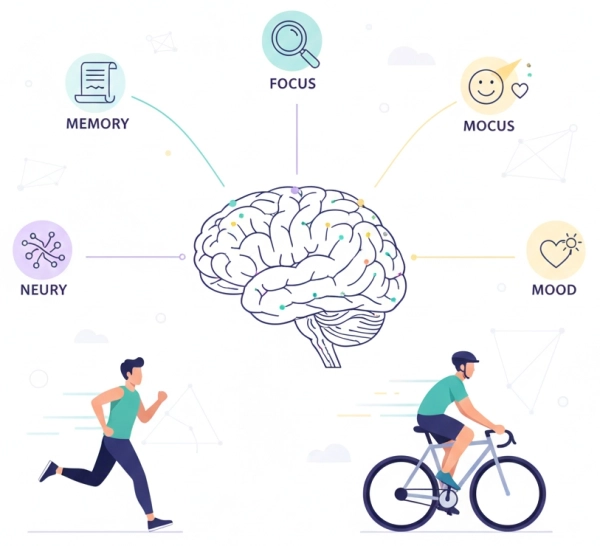
Exercise and Neuroplasticity: Building a Smarter Brain
One of the most revolutionary findings in modern neuroscience is neuroplasticity — the brain’s lifelong ability to reorganise itself, form new neural pathways, and adapt in response to experience and environment. To better understand how cognitive performance is measured alongside these changes, see our complete guide to IQ. Far from being static, the brain is dynamic and flexible — and exercise is one of the most powerful triggers for this transformation.
1. How Exercise Fuels Brain Growth
When you engage in aerobic activities such as running, swimming, brisk walking, or cycling, your heart pumps more oxygen-rich blood to the brain. This increased circulation delivers essential nutrients, glucose, and oxygen that support neuronal energy metabolism and repair. At the cellular level, physical activity stimulates the release of brain-derived neurotrophic factor (BDNF) — a protein often described as “Miracle-Gro for the brain” — which encourages neurogenesis and strengthens existing synaptic connections.
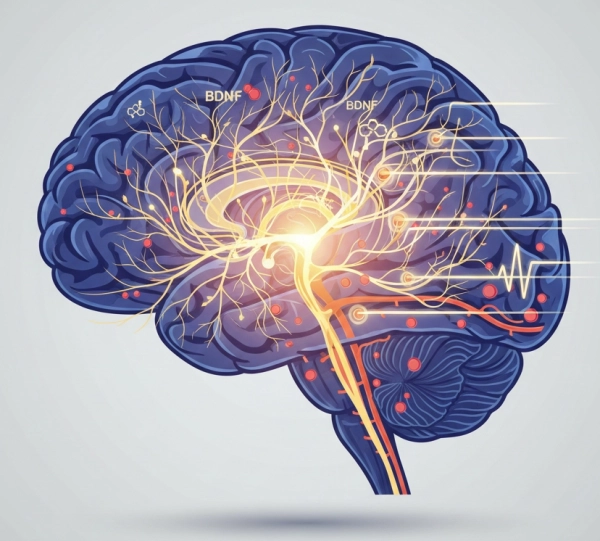
2. Evidence from Neuroscience
Harvard Medical School reports that consistent aerobic activity can increase the size of the hippocampus, a region central to memory and emotional regulation. A landmark study published in Nature Reviews Neuroscience showed that even modest increases in physical activity correlate with improvements in cognitive performance and greater neural efficiency. Animal studies further confirm that exercise increases BDNF levels and stimulates the growth of new neurons in the hippocampus, counteracting the cognitive decline associated with ageing or stress.
3. Why It Matters
Regular exercise doesn’t just make you fitter — it makes your brain smarter and more adaptable. Physical activity becomes a natural cognitive enhancer, similar in effect to the improvements seen in individuals tested on high-range cognitive assessments.
How Exercise Improves Memory and Learning
When you exercise, you’re not only strengthening your muscles — you’re upgrading your brain’s ability to encode, store, and retrieve information. Movement enhances the efficiency of key brain circuits involved in learning and memory, making your mind clearer and more responsive.
1. The Science Behind Memory Enhancement
Increased Hippocampal Activity: Exercise stimulates the hippocampus — the brain’s “memory centre” — to communicate more effectively with the prefrontal cortex, responsible for attention, planning, and decision-making. This enhanced connectivity improves both short-term recall and long-term memory formation.
Improved Neurochemical Balance: During physical activity, the brain releases dopamine, serotonin, and norepinephrine — neurotransmitters that regulate motivation, mood, and focus, creating the ideal mental environment for learning and concentration.
Better Sleep Quality: Quality sleep is when the brain consolidates new information and transforms short-term memories into long-term storage. Exercise promotes deep, restorative sleep, improving both learning efficiency and recall accuracy.
Sharper Focus and Attention: By increasing cerebral blood flow and oxygenation, exercise boosts executive function, helping individuals sustain attention and process information faster. People who exercise regularly often report higher productivity and reduced mental fatigue. If you’re curious about how memory compares to overall intelligence, our IQ vs EQ breakdown provides a helpful distinction.
2. Evidence from Modern Research
A 2018 study published in Proceedings of the National Academy of Sciences found that just 20 minutes of moderate exercise — such as brisk walking or cycling — can significantly improve memory retention immediately after learning new material. Another meta-analysis in Frontiers in Psychology demonstrated that individuals who maintained a consistent exercise routine performed better on cognitive tests and showed enhanced brain activity patterns related to attention and working memory.
3. Real-World Implications
Whether you’re a student preparing for exams, a professional seeking sharper focus, or an older adult looking to maintain cognitive vitality, movement is a mental performance enhancer. Even short bouts of activity during the day — like taking the stairs or doing stretches — can lead to meaningful improvements in memory, learning speed, and creativity.
Exercise and Mood: The Natural Antidepressant
Beyond enhancing memory and focus, regular physical activity has a profound impact on emotional health. Neuroscientists and psychologists alike describe exercise as one of the most powerful natural antidepressants available. When you move your body, your brain releases endorphins (the brain’s natural mood elevators), dopamine (boosting motivation and reward), and serotonin (regulating mood, sleep, and appetite) — all of which ease symptoms of depression and anxiety.
Psychological Benefits of Consistent Movement
Dozens of studies have shown that exercise can reduce symptoms of depression, anxiety, and chronic stress — often as effectively as medication for mild to moderate cases. According to research from Harvard Medical School and the American Psychological Association, people who exercise regularly experience lower levels of cortisol (the stress hormone), greater resilience to everyday stressors, improved self-esteem through goal achievement, and a lasting sense of well-being and mental clarity.
A landmark study published in The American Journal of Preventive Medicine (2018) found that adults who exercised just three times per week were 43% less likely to develop depressive symptoms compared to inactive individuals. Another paper in Frontiers in Psychiatry described exercise as a “biological mood regulator,” capable of rewiring neural pathways associated with positive emotion. For more on emotional intelligence, see our EQ assessment.
“If exercise could be bottled, it would be the most prescribed medication in the world.” — Dr. Robert Butler, National Institute on Aging
Long-Term Benefits: Protecting the Brain from Aging
As you age, your brain naturally undergoes structural and functional changes — from shrinking grey matter to slower processing speed. However, mounting scientific evidence shows that regular exercise can slow or even reverse these effects.

1. Slowing Cognitive Ageing
Physical activity improves blood vessel health, ensuring a steady supply of oxygen and nutrients to brain tissue. Research from The Journal of Alzheimer’s Disease (2019) found that older adults who consistently engage in moderate to vigorous exercise reduce their risk of dementia by 30–40% compared to those who are sedentary.
2. Promoting Brain Longevity Through Neurogenesis
Through increased levels of BDNF, exercise supports neurogenesis in critical regions such as the hippocampus and prefrontal cortex — areas that typically shrink with age. This ongoing regeneration enhances memory, decision-making, and emotional regulation well into later life.
3. Combating Inflammation and Oxidative Stress
Ageing brains often experience chronic low-grade inflammation and oxidative stress, both of which damage neurons. Physical activity helps regulate immune response and reduce inflammation, while also boosting antioxidant enzyme activity that protects brain cells from degeneration.
4. Real-World Implications
Older adults who maintain regular physical activity — even something as simple as walking 30 minutes daily — tend to exhibit sharper cognitive function and quicker mental response times, lower risk of Alzheimer’s disease and vascular dementia, and improved balance and coordination, reducing fall-related injuries that indirectly impact brain health. Exercise is more than a short-term mood booster; it’s a long-term investment in your brain’s future vitality.
How Much Exercise Is Enough?
You don’t need to be an athlete or spend hours in the gym to experience these benefits. According to the World Health Organization (WHO) and Harvard Health Publishing, the recommended amount for optimal brain and body health is 150 minutes of moderate-intensity aerobic exercise per week (such as brisk walking, light jogging, or cycling), or 75 minutes of vigorous activity (such as running, swimming laps, or HIIT), plus two sessions of strength or resistance training weekly.
Even brief bursts of movement matter. A 10-minute brisk walk during lunch, a few flights of stairs instead of the elevator, or light stretching between tasks can increase alertness, mood, and focus almost instantly. A 2020 study in Scientific Reports found that just 10 minutes of mild aerobic exercise significantly enhanced connectivity in brain regions associated with attention and memory.
While intense workouts can deliver rapid results, the real magic lies in routine. Regular, moderate exercise provides sustained oxygen flow and steady BDNF production, whereas irregular bursts of heavy training without recovery can raise cortisol and reduce mental clarity. The best approach: find movement you genuinely enjoy — whether it’s yoga, swimming, cycling, or dancing — and make it a non-negotiable part of your week. It’s not about how hard you move, but how often.
Conclusion: Move Your Body, Grow Your Mind
Science gives a clear and inspiring message: movement transforms the mind. By incorporating regular exercise into your lifestyle, you can boost memory and concentration through increased neuroplasticity and blood flow, enhance mood by balancing serotonin, dopamine, and endorphins, protect against cognitive decline and dementia as you age, improve sleep quality which reinforces memory and focus, and increase creativity and problem-solving speed.
When you move your body, you literally reshape your brain — building stronger neural pathways, emotional balance, and cognitive power that last a lifetime. Start small. Take that walk. Do that stretch. Turn your daily movement into a mental upgrade. Explore more evidence-based articles in our IQ Guides collection.
“Exercise is the single best thing you can do for your brain in terms of mood, memory, and learning.” — Dr. John Ratey, Harvard Medical School
References
- Erickson, K. I., et al. (2011) – Exercise training increases size of hippocampus and improves memory. Proceedings of the National Academy of Sciences (PNAS), 108(7), 3017 3022.
- Hillman, C. H., Erickson, K. I., & Kramer, A. F. (2008) – Be smart, exercise your heart: Exercise effects on brain and cognition. Nature Reviews Neuroscience, 9, 58 65.

Comments
Share Your Thoughts