Discussions about average IQ in Europe often appear in research related to education, psychology, and social development. However, IQ statistics are frequently misunderstood or taken out of context. When interpreted responsibly, these figures can help explain how cognitive test performance varies across regions—without labeling or judging individuals or populations.
This article provides a regional overview of average IQ in Europe, while emphasizing context, limitations, and responsible interpretation. For broader global comparisons, readers may also find context in IQ by country.
What IQ Scores Represent
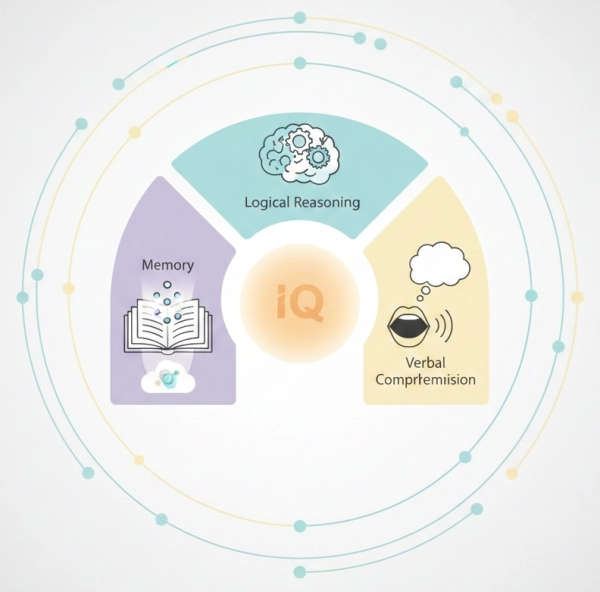
IQ, or Intelligence Quotient, is a standardized score used in psychology to assess performance on certain cognitive tasks. These tasks are designed to measure specific mental abilities, including:
- Logical and analytical reasoning
- Pattern recognition and abstract thinking
- Verbal comprehension and language-based problem solving
- Working memory and short-term information processing
Modern IQ tests are carefully structured so that 100 represents the average score for a defined population and age group. Most individuals score close to this average, with progressively fewer people at the higher and lower ends of the scale. A detailed breakdown of this structure can be found in the IQ scale explained from low to genius.
It is essential to understand that IQ scores are relative and statistical, not absolute measures of intelligence. They show how a person performs compared to others of the same age under standardized testing conditions, as outlined in what is IQ – a complete guide to intelligence quotient.
Just as importantly, IQ tests measure only a limited range of mental skills. They do not assess creativity, emotional intelligence, or broader human potential—areas discussed in more depth in IQ vs EQ.
Average IQ Patterns Across Europe
Across Europe, reported average IQ scores generally cluster close to 100, which is consistent with how standardized intelligence tests are developed and normed. This pattern is comparable to findings in other regions, such as those discussed in average IQ in the United States.
Such variations are often influenced by:
- Differences in testing methods
- Sampling size and demographics
- Language and cultural context
- Educational exposure
Because IQ tests are regularly reviewed and recalibrated, both national and regional averages tend to remain relatively stable over time. This stability is also connected to broader trends like the Flynn Effect, which explains how test norms adapt across generations.
Regional Overview Without Rankings
Europe is often discussed in broad regions such as Western, Northern, Southern, Eastern, and Central Europe. From a statistical perspective, when IQ data is examined at this level:
- Most regions show average scores close to the standardized mean
- Differences across regions are generally small
- Observed variations often relate to environmental and methodological factors
It is important to emphasize that these regional patterns are not rankings. They do not imply that one region is more intelligent than another, nor do they reflect the abilities of individuals living within those regions. This aligns with concerns discussed in is national IQ a reliable measure.
Factors That Influence Regional IQ Averages
Several non-genetic and environmental factors can influence average IQ scores across European regions. These include:
- Access to quality education and early learning opportunities
- Childhood healthcare, nutrition, and overall well-being
- The language in which tests are administered
- Cultural familiarity with standardized testing formats
- Broader socioeconomic conditions
Many of these influences are examined in factors affecting IQ test results. They affect test performance, not inherent intelligence, and help explain why averages differ without implying cognitive superiority or inferiority.
Why Regional Averages Require Careful Interpretation
Regional IQ averages are population-level statistics, meaning they describe large groups rather than individuals. While they are useful for identifying broad educational or social trends, they cannot explain individual abilities, talents, or future outcomes.
Within the same region, individuals can vary widely in terms of:
- Learning styles and academic strengths
- Professional skills and career paths
- Creativity, innovation, and emotional intelligence
This is why experts caution against overreliance on scores alone, especially when considering outcomes like education or success, as discussed in IQ vs academic achievement.
What Average IQ Does—and Does Not—Tell Us

An average IQ score may indicate:
- Typical performance on standardized cognitive tasks
- Normal capacity for learning and reasoning
- Comparable performance relative to peers of the same age
However, IQ scores do not measure:
- Creativity or original thinking (IQ vs creativity).
- Social and emotional intelligence
- Motivation, perseverance, or discipline
- Artistic, mechanical, or practical talents
Many abilities most closely linked to long-term success fall outside the scope of IQ testing, including those explored in jobs where EQ matters more than IQ.
Responsible Use of Regional IQ Data
When discussing average IQ in Europe by region, responsible interpretation is essential. This includes:
- Avoiding rankings or competitive comparisons
- Emphasizing limitations and context
- Acknowledging the role of education and environment
- Focusing on opportunity, development and support
When used carefully, IQ data can contribute to research and policy discussions without reinforcing stereotypes or misconceptions.
The Bottom Line
The average IQ across European regions remains close to 100, reflecting how standardized intelligence tests are designed and calibrated. Small regional differences are normal and are largely influenced by environmental and contextual factors rather than innate ability.
Regional IQ statistics can help explain patterns in test performance, but they should never be used to judge individuals or societies. Intelligence is complex, multifaceted, and shaped by experience, opportunity and personal development—far beyond what any single test score can measure.

Comments
Share Your Thoughts