The concept of “national IQ” is often used in discussions about education, development, and global comparisons. It refers to the average IQ score reported for a country or population based on standardized intelligence tests. While these figures are frequently cited, an important question remains: is national IQ actually a reliable measure of intelligence or capability at the societal level?
To answer this, it is essential to understand what IQ measures, how national averages are calculated, and the limitations of using such data for comparison.
What Is National IQ?
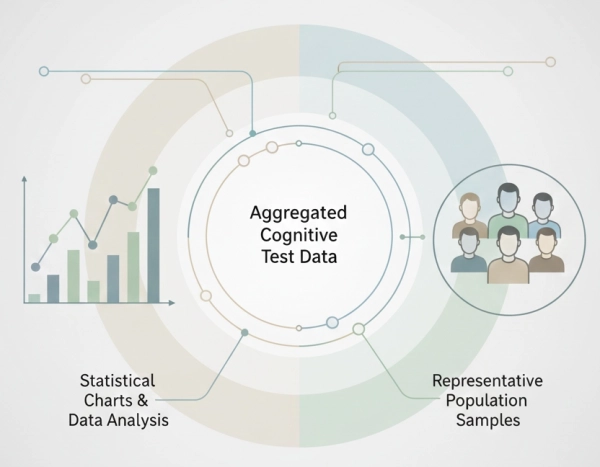
National IQ refers to an estimated average IQ score for a country, calculated from samples of intelligence test results collected through academic research, educational studies, or large-scale assessments. These figures are often referenced in discussions about education systems and international comparisons such as IQ by country.
National IQ estimates are typically based on:
- Standardized IQ tests administered to subsets of the population
- Educational, psychological, or research-based samples
- Age-adjusted scoring norms designed for within-age-group comparison
Because IQ tests were originally designed to compare individuals within a shared cultural and educational context, extending these results to represent entire nations raises important concerns—issues explored more deeply in is national IQ a reliable measure.
How IQ Tests Are Designed
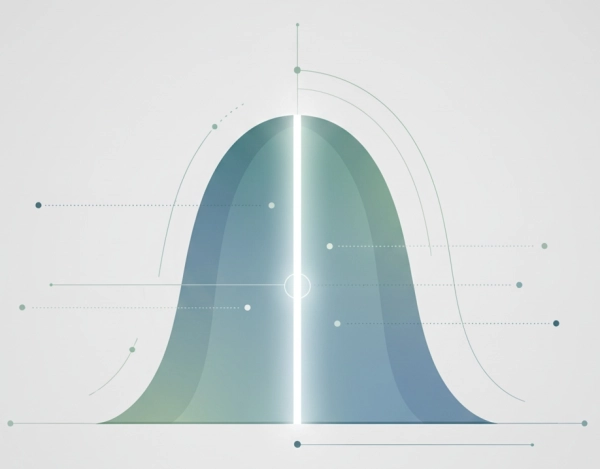
IQ tests are norm-referenced, meaning an individual’s score reflects performance relative to others in the same age group, not an absolute level of intelligence. This design principle is explained in the IQ scale explained from low to genius.
Test developers regularly update and recalibrate scoring systems so that:
- The average score remains close to 100
- Most people cluster around the mean
- Extreme scores remain relatively rare
As a result:
- IQ scores represent relative performance rather than fixed intelligence
- A national average near 100 is expected by design
- Small differences between countries may arise from test norms, sampling, or methodology rather than true cognitive variation
This design makes IQ tests useful for individual assessment but limits their reliability for direct national or cross-country comparisons.
Sampling and Data Quality Issues
One of the most significant limitations of national IQ estimates is sampling reliability. Many reported national averages are not based on comprehensive, representative samples of an entire population.
Common issues include:
- Small sample sizes
- Samples drawn primarily from students or urban populations
- Data collected decades ago using outdated test versions
- Results based on translated tests with varying cultural relevance
Such issues are closely related to broader concerns outlined in factors affecting IQ test results. When samples do not reflect a country’s full demographic and socioeconomic diversity, the resulting “national IQ” may be misleading.
Cultural and Language Bias
IQ tests are influenced by cultural context, even when they attempt to minimize bias. Many test items rely on language, symbols, problem-solving strategies, and assumptions that are shaped by culture and education.
Even non-verbal tests can be affected by:
- Familiarity with test-taking formats
- Cultural expectations around speed, accuracy, and guessing
- Educational approaches to reasoning and problem-solving
Language structure and translation quality also matter, especially in cross-national comparisons. These issues help explain why averages reported for regions such as Asia, Europe, or the United States must always be interpreted cautiously.
The Role of Education and Environment
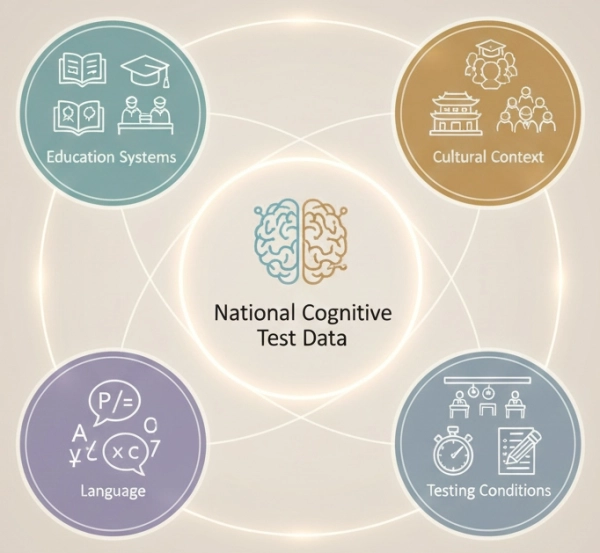
Performance on IQ tests is strongly affected by environmental factors rather than innate ability alone. These factors include:
- Access to quality education
- Early childhood nutrition and healthcare
- Socioeconomic stability
- Exposure to formal testing environments
Countries with strong education systems may show higher average test performance simply because individuals are more familiar with the skills emphasized in IQ tests. This relationship is discussed further in IQ vs academic achievement.
Environmental conditions shape how cognitive skills are developed, practiced, and expressed.
What National IQ Does—and Does Not—Measure
At best, national IQ averages may provide limited insight into:
- Population-level performance on standardized cognitive tasks
- Broad educational trends when interpreted carefully
However, national IQ does not measure:
- Creativity or innovation (IQ vs creativity).
- Emotional or social intelligence (IQ vs EQ).
- Leadership or communication skills
- Cultural knowledge and practical problem-solving
- Individual ability, potential, or worth
Within any country, individual differences in intelligence, skills, and life outcomes are far greater than any difference suggested by national averages.
Risks of Misusing National IQ Data
When national IQ figures are taken out of context or treated as definitive, they can lead to:
- Oversimplification of complex educational and social issues
- Reinforcement of stereotypes or unfair generalizations
- Misinterpretation of academic or economic outcomes
- Incorrect assumptions about individuals based on nationality
These risks underline why national IQ should not be used as a ranking tool or value judgment—a concern echoed in discussions about should I worry if my IQ.
More Reliable Alternatives to National IQ
For understanding human development and societal progress, researchers and policymakers often rely on broader indicators, such as:
- Educational achievement and attainment
- Literacy and numeracy rates
- Access to schooling and healthcare
- Economic opportunity and social mobility
- Quality of life and well-being measures
These indicators provide a more accurate, ethical, and meaningful picture of population-level development than IQ averages alone.
The Bottom Line
So, is national IQ a reliable measure?
Not by itself.
National IQ figures can offer limited context about population-level test performance, but they are heavily influenced by sampling methods, education, culture, language, and testing conditions. They do not measure intelligence in its full complexity, nor do they define human value or potential.
Understanding intelligence at the national level requires a broader, more responsible approach—one that emphasizes education, opportunity and individual diversity rather than rankings or comparisons.
When used carefully and ethically, IQ data can support research. When used carelessly, it can mislead and oversimplify a deeply complex subject.

Comments
Share Your Thoughts