Naturalistic Intelligence — often referred to as “nature smart” — is one of Howard Gardner’s Multiple Intelligences, highlighting a person’s ability to recognize, understand, and connect with the natural world. It reflects how attuned you are to plants, animals, weather patterns, and the delicate balance of ecosystems. Gardner’s framework proposes that intelligence is multifaceted, extending well beyond traditional academic measures like IQ. For a deeper look at how intelligence is formally measured, you can explore what IQ really means or the differences between IQ and EQ.
In this article, we’ll explore the definition of Naturalistic Intelligence, real-life examples, and practical ways to develop your nature-smart skills — helping you live more mindfully, creatively, and harmoniously with the environment around you.
What Is Naturalistic Intelligence?
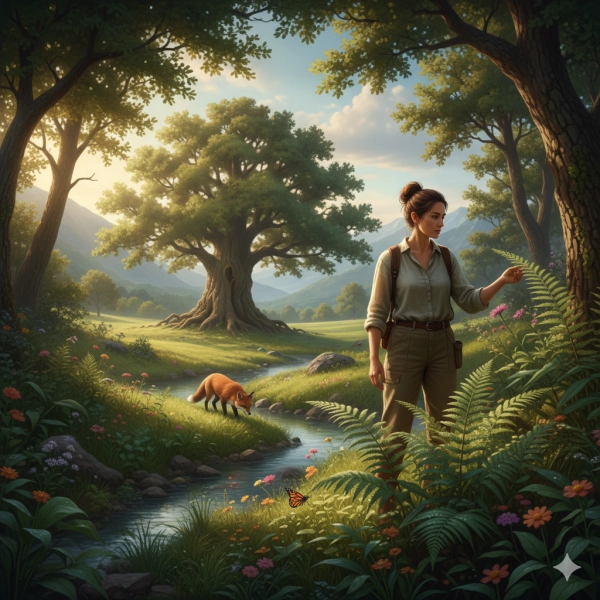
Naturalistic Intelligence refers to a person’s ability to understand, recognize, and interact with the natural world. People with this type of intelligence are highly aware of patterns in nature — from plants, animals, and weather to ecosystems and environmental changes. If you’ve ever met someone who loves hiking, gardening, observing wildlife, or can identify bird species by sound — you’ve likely met someone with a high level of naturalistic intelligence.
Origins: Gardner’s Theory of Multiple Intelligences
In 1983, psychologist Howard Gardner revolutionized how we understand human potential with his book Frames of Mind: The Theory of Multiple Intelligences. He challenged the traditional idea that intelligence could be measured by a single number, proposing instead that it is multifaceted — reflecting different ways people perceive, process, and apply knowledge. His original framework identified seven types: Linguistic, Logical–Mathematical, Spatial, Musical, Bodily–Kinesthetic, Interpersonal, and Intrapersonal.
In 1995, Gardner added an eighth intelligence — Naturalistic Intelligence — recognizing humanity’s deep-rooted ability to identify plants, animals, and patterns in the natural environment. This intelligence explained how humans could survive and thrive by reading the land, predicting weather, and understanding ecological relationships long before the rise of modern science. To understand how different cognitive abilities interact, our guide to verbal and nonverbal intelligence provides useful context.
Characteristics of People with High Naturalistic Intelligence
People who excel in Naturalistic Intelligence have a natural curiosity about the living world. They notice subtle changes in their surroundings — the colour of leaves, animal behaviours, or shifts in weather — and often feel rejuvenated when spending time outdoors.

Defining traits include exceptional observation skills (noticing fine details about plants, animals, and environmental changes), strong organisational ability (classifying and naming natural objects), sensitivity to natural cycles (understanding seasonal patterns and ecological balance), respect for life (empathy toward animals, plants, and the planet), love for outdoor experiences, scientific curiosity in biology, botany, or zoology, and nature-inspired creativity through photography, painting, or environmental storytelling.
People with high Naturalistic Intelligence are observers, protectors, and interpreters of nature. They learn best through hands-on experiences, fieldwork, and real-world exploration. Their unique perspective reminds us that intelligence can be found in the quiet wisdom of the natural world — not just in books or technology.
Examples of Naturalistic Intelligence in Real Life
Naturalistic Intelligence appears across countless professions, hobbies, and daily habits. Biologists and ecologists study relationships between organisms and environments, relying on pattern recognition in animal behaviour and climate shifts. Botanists and gardeners use sharp observational skills and patience to nurture plant life. Veterinarians and animal trainers interpret animal cues and emotional needs. Farmers and agricultural experts work closely with nature’s rhythms — understanding rainfall, sunlight, and seasonal changes. Environmental activists and conservationists protect wildlife and promote sustainable living. Nature photographers and artists capture natural beauty through refined awareness of light, texture, and balance.
Even in urban life, Naturalistic Intelligence thrives — in people who create rooftop gardens, practise composting, cultivate indoor plants, or take daily walks in nature to reset their mind and body. This intelligence can thrive anywhere there is curiosity about life and respect for the planet.
Why Naturalistic Intelligence Matters
In today’s technology-driven world, many people have become disconnected from nature, leading to rising stress levels, fatigue, and environmental neglect. Strengthening Naturalistic Intelligence is not just about loving nature — it’s about rebuilding balance between human life and the natural systems that sustain it.
It promotes environmental awareness and eco-friendly choices. It encourages mindfulness and presence by observing natural rhythms. Research shows that time spent outdoors improves focus, lowers cortisol, and enhances mood. It inspires creativity through nature’s patterns, colours, and sounds. And shared environmental values foster cooperation and empathy toward others and the earth. Our guide on neuroplasticity explores how environmental enrichment and lifestyle factors can also strengthen cognitive capacity over time.
How to Develop Naturalistic Intelligence
You don’t have to be a scientist or spend your days in the wilderness to develop your Naturalistic Intelligence. Strengthening your connection with nature is about becoming more observant, mindful, and respectful — wherever you live.
1. Spend More Time Outdoors
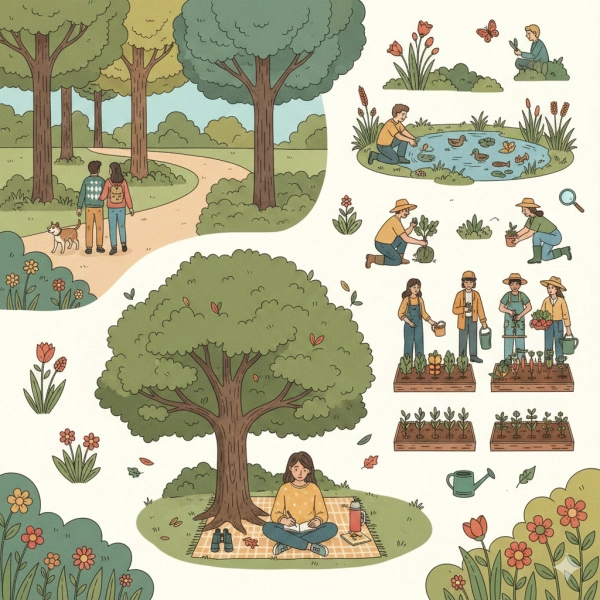
Make a conscious effort to spend time outside each day — even 15 minutes can make a difference. Go for walks, hikes, or picnics in local parks. Engage your senses: feel the texture of leaves, listen to birdsong, notice the play of light and shadow, or watch clouds change shape. Regular exposure to natural settings has been proven to reduce stress, improve focus, and enhance creativity.
2. Learn About Local Wildlife and Plants
Start by exploring your immediate environment. Learn to identify native trees, flowers, insects, and bird species in your region. Mobile apps like iNaturalist, PlantSnap, or Merlin Bird ID make it easy to record and recognise what you see. Over time, you’ll begin to notice subtle ecological patterns — like migration seasons or pollination cycles — deepening your respect for nature’s balance.
3. Keep a Nature Journal
Record what you see, hear, and feel in your natural surroundings — from daily weather changes to plant growth or wildlife behaviour. Add sketches, pressed leaves, or photographs to make it visual. This practice enhances mindfulness and observational memory, helping you slow down and connect with the world at a deeper level.
4. Start Gardening or Composting
Whether it’s a backyard, a balcony, or a few pots on a windowsill, gardening offers hands-on experience with the cycles of life. Watching seeds sprout and grow teaches soil health, water cycles, and seasonal rhythms. Composting is another excellent way to witness natural transformation and develop respect for the unseen work of microorganisms.
5. Engage in Eco-Friendly Activities
Participate in local cleanups, tree-planting events, or recycling drives. Volunteer for environmental organisations or support sustainable brands. When you actively help protect the planet, you strengthen both your empathy and sense of responsibility — and connect with like-minded individuals who share a passion for preserving nature.
6. Use Nature in Creative Projects
Try incorporating nature into your creative work — write poems about the seasons, photograph wildlife, or create eco-themed artwork. By translating natural experiences into creative expression, you reinforce your appreciation for patterns, textures, and harmony. Creativity rooted in nature deepens environmental awareness alongside artistic skill.
Professions That Value Naturalistic Intelligence
If you feel drawn to the outdoors or environmental causes, you might find purpose in careers that celebrate this intelligence: Environmental Scientist, Biologist or Zoologist, Landscape Architect, Park Ranger or Conservation Officer, Geologist or Oceanographer, Wildlife Photographer or Filmmaker, Agricultural Engineer or Farmer, and Sustainability Consultant. Each allows you to apply natural curiosity and empathy toward preserving and understanding the planet.
Final Thoughts
Naturalistic Intelligence reminds us that intelligence is not confined to books, numbers, or technology — it also lies in our ability to connect with the natural world. If you’re exploring how to strengthen cognitive abilities more broadly, our guide on how to improve cognitive skills is worth reading. Sometimes, the smartest thing you can do is simply step outside, breathe deeply, and listen to the world that’s been teaching us all along.
Explore more articles in our IQ Guides collection to discover the full range of human intelligence.

Comments
Share Your Thoughts